*One Million Years B.C. (2026)* reimagines the classic prehistoric adventure with a modern cinematic scope, blending survival drama, spectacle, and emotional storytelling. Set in a harsh and untamed world long before recorded history, the film follows early human tribes struggling to survive against nature, monstrous creatures, and their own instincts. The story opens in a barren volcanic land where resources are scarce and conflict between rival clans is inevitable.
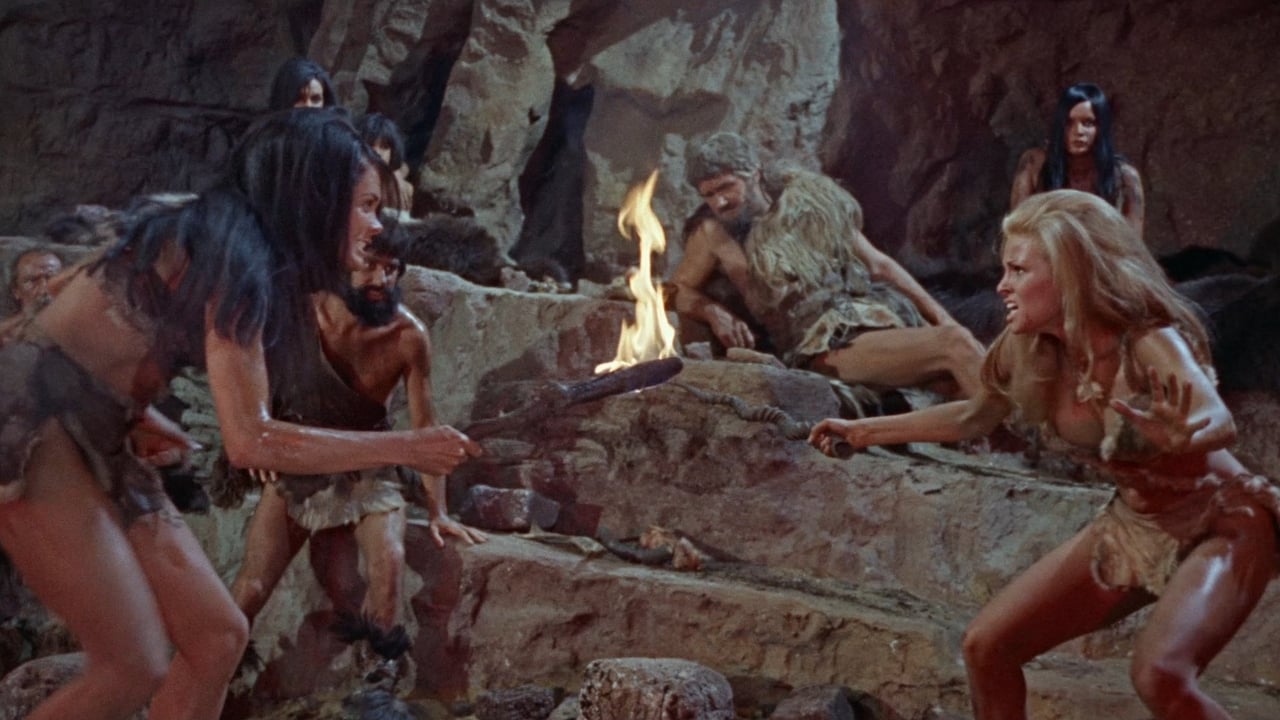
The main focus is on a young hunter who is exiled from his tribe after challenging a cruel and violent leader. Forced to survive alone, he journeys across dangerous landscapes filled with erupting volcanoes, vast deserts, and primeval jungles. Along the way, he encounters massive prehistoric beasts, including giant reptiles and mammoths, emphasizing how small and vulnerable humans are in this ancient world. These encounters are not just action-driven but also highlight humanity’s early fight for dominance over nature.
During his journey, the hunter discovers another tribe living near the coast, one that values cooperation rather than brutality. There, he meets a strong and intelligent woman who becomes both his ally and emotional anchor. Through her tribe, the film explores early human bonds, communication, and the beginnings of empathy. Their relationship grows slowly, shaped by shared danger and mutual respect rather than words.
Conflict soon arises when the brutal tribe attacks the peaceful coastal people, seeking control over fertile land and water. The film builds tension as both sides prepare for an inevitable clash. Instead of portraying violence as glorious, the story emphasizes its cost, showing loss, fear, and the fragility of early human life. The protagonist is forced to confront his past and decide what kind of leader he wants to become.

As nature itself turns violent with earthquakes and volcanic eruptions, the final act blends human conflict with environmental disaster. Survival depends not on strength alone but on unity and adaptation. The characters learn that cooperation is the key to enduring a world that offers no mercy.
In the end, *One Million Years B.C. (2026)* is more than a prehistoric spectacle. It is a story about humanity’s earliest steps toward compassion, leadership, and community. Through stunning visuals and emotional depth, the film reflects on timeless themes of survival, love, and the choices that define what it truly means to be human.
