“House of Guinness” (2025) is a historical drama that dives deep into the legacy, struggles, and triumphs of one of the most iconic brewing dynasties in the world. Set against the backdrop of Ireland in the nineteenth and twentieth centuries, the film follows multiple generations of the Guinness family as they build their empire from a small Dublin brewery into a global name synonymous with Irish pride and craftsmanship. The narrative blends business ambition with personal conflict, capturing the tension between tradition and innovation while exploring the weight of carrying a family name that became larger than life.
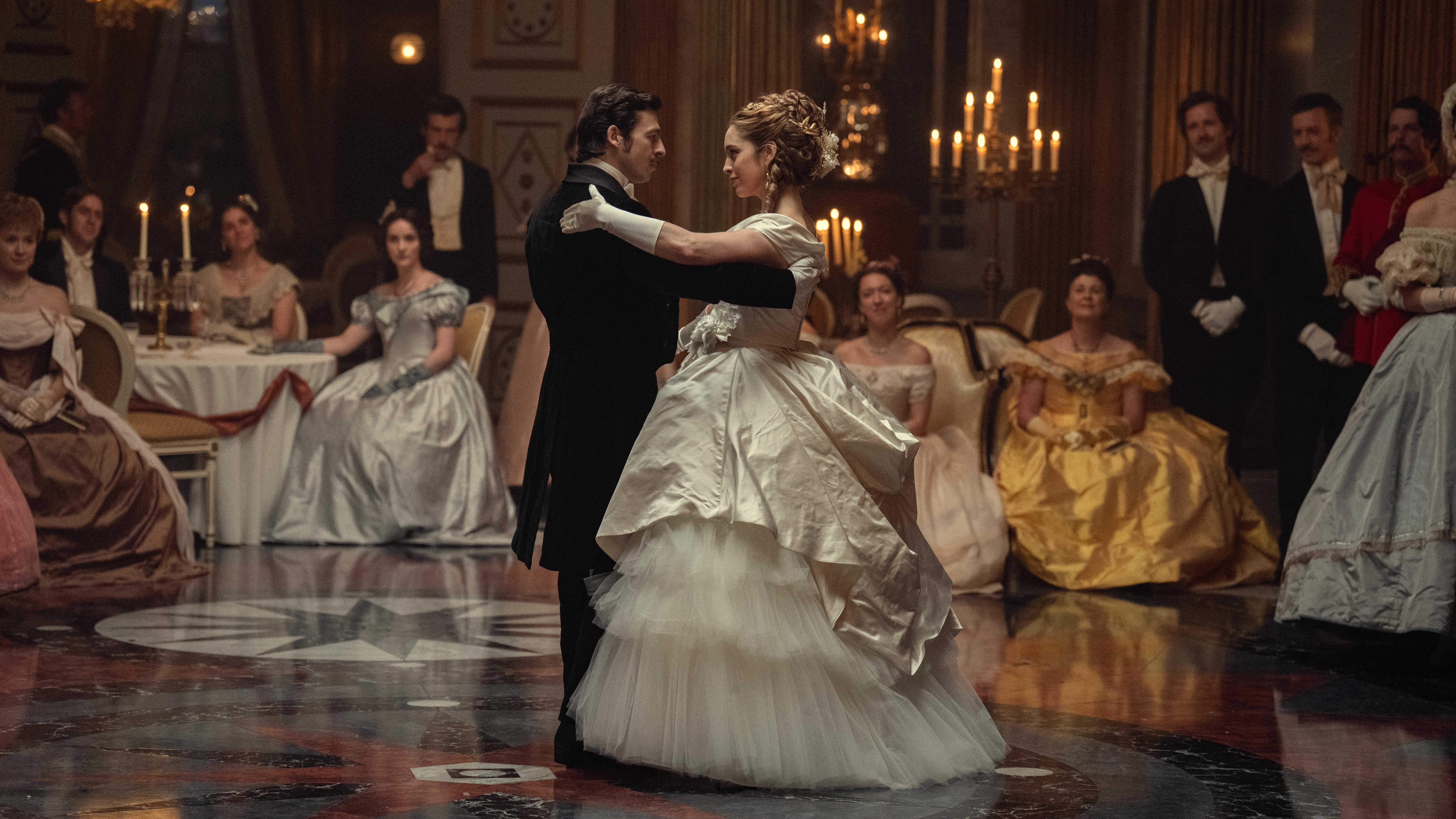
The story begins with Arthur Guinness and his ambitious vision to create a stout that would stand apart from the ales dominating the market. His bold decision to sign a 9,000-year lease for the St. James’s Gate Brewery sets the tone for the family’s relentless pursuit of legacy. The film dramatizes the early hardships of production, the skepticism of competitors, and the slow but steady rise of the Guinness brand, showing how one man’s risk became a cornerstone of Ireland’s identity.
As the generations move forward, the movie shifts focus to Arthur’s descendants, highlighting the different ways they handled wealth, responsibility, and the global expansion of the brand. Some embraced innovation and charity, investing in the community and building Dublin landmarks, while others struggled with the pressure of living up to the Guinness name. The personal conflicts—rivalries within the family, clashes over business direction, and the tension between tradition and modernization—bring a human element to a story often remembered only in terms of its product.

At the heart of the film lies the theme of legacy. The Guinness family is portrayed not only as brewers but also as cultural icons whose influence extended into politics, religion, and social change in Ireland. Their philanthropy, particularly in education and housing, is given dramatic weight, contrasting with the darker moments of personal scandal and the cost of immense responsibility. This duality creates a rich portrait of a dynasty both celebrated and scrutinized.
The film also captures Ireland itself as more than just a backdrop—it becomes a living character. From the bustling streets of Dublin to the rural landscapes, the visual storytelling reflects how the Guinness empire was intertwined with the history of Ireland’s struggles and triumphs. The Great Famine, political unrest, and Ireland’s evolving identity are all woven into the narrative, placing the Guinness family’s journey within a larger historical frame.
By its conclusion, “House of Guinness” is not just a story about beer, but about ambition, sacrifice, and identity. It is a sweeping family saga that explores what it means to carry a name that represents both personal legacy and national pride. The film leaves audiences reflecting on how history is brewed not just in barrels but in the choices, failures, and triumphs of those bold enough to dream beyond their time.
