In 2025, the classic horror story “Cujo” returns to the big screen with a modern adaptation that aims to capture the raw terror of Stephen King’s chilling novel while updating it for a new generation. The film centers on a seemingly ordinary St. Bernard named Cujo, whose life takes a dark turn after he is bitten by a rabid bat. Once a gentle family dog, Cujo gradually descends into madness as the rabies infection strips away his docility, transforming him into a deadly predator that terrorizes a small rural town.

The story begins by following the Trenton family, particularly Donna, a mother trying to balance her strained marriage and her responsibility to her young son, Tad. When their car breaks down during a routine trip, they find themselves stranded in a remote area with Cujo lurking nearby. The suspense builds slowly but effectively, as the audience watches Donna and Tad trapped inside their broken vehicle while the massive St. Bernard prowls outside, relentless and bloodthirsty.
What makes this new version of “Cujo” particularly gripping is how it plays with isolation and fear in a contemporary setting. Unlike the 1983 adaptation, the 2025 film incorporates modern technology but cleverly neutralizes it, ensuring that the characters remain cut off and defenseless. The car becomes both a fragile shelter and a prison, intensifying the psychological torment as days stretch on and hope begins to fade. The claustrophobic atmosphere heightens every moment, making the threat of Cujo feel omnipresent and inescapable.
As the rabid dog grows increasingly aggressive, the bond between Donna and her son becomes the emotional anchor of the film. Her determination to protect Tad drives the narrative forward, creating not only a horror story but also a tale of resilience and maternal strength. The performances emphasize the raw desperation of survival, capturing the terror of being hunted by a force of nature that once represented loyalty and affection.
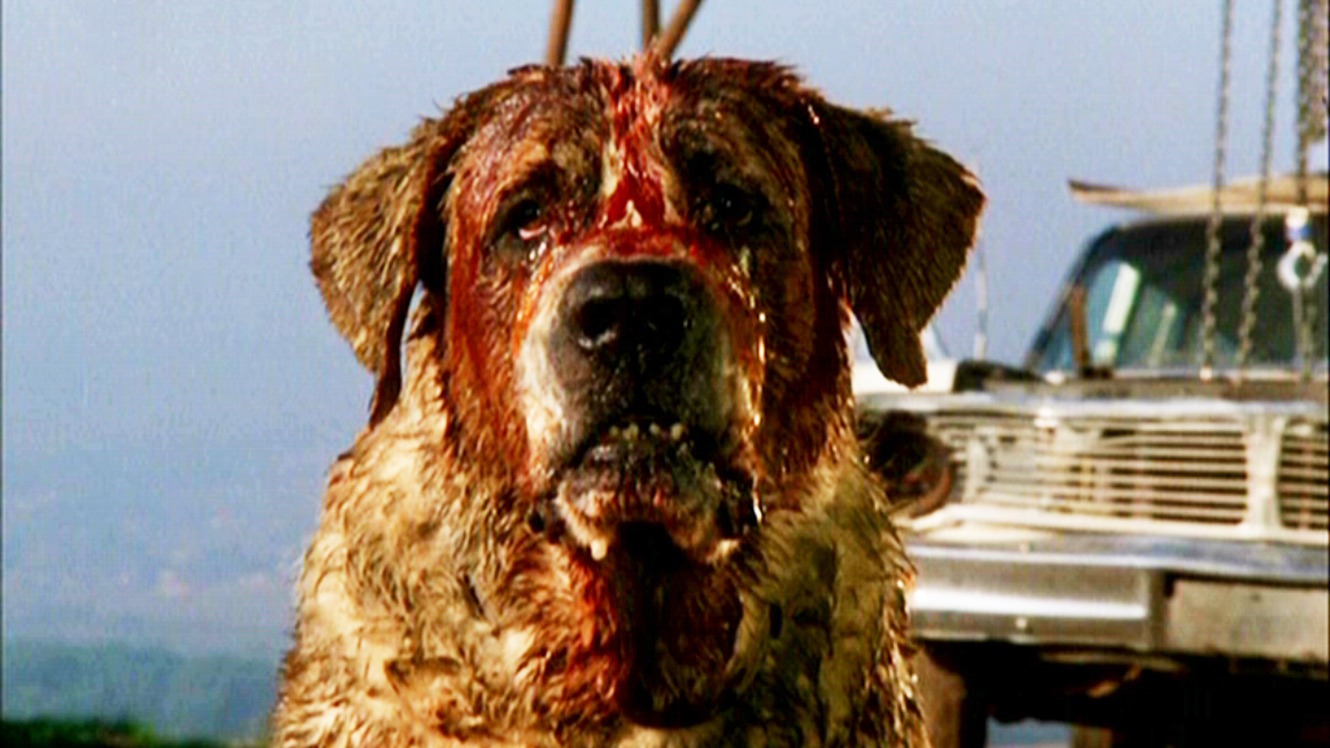
The film also explores themes of trust, neglect, and fate. Cujo himself is portrayed not just as a monster, but as a tragic figure—an innocent creature corrupted by disease and circumstance. This tragic dimension adds emotional weight to the horror, reminding viewers that the true villain is not the dog itself, but the uncontrollable forces that twisted him into a nightmare.
By the climax, the film delivers a relentless confrontation between Donna and Cujo, blending physical struggle with psychological endurance. The final act is both harrowing and cathartic, leaving audiences shaken yet compelled by its raw intensity. “Cujo” (2025) proves that even decades later, the story of a mother, her child, and a rabid dog can still chill audiences to the bone while offering a deeper emotional resonance than ever before.


