“Butch Cassidy and the Sundance Kid” (2026) brings one of the most legendary stories in American Western cinema back to the screen with a bold and modern vision. The film revisits the infamous outlaw duo who captivated audiences in the classic 1969 movie, but instead of simply retelling the same tale, it expands the narrative, exploring both the myth and the humanity behind the two men. The story follows Butch and Sundance as they continue their journey through the American West, leading a gang of train and bank robbers while constantly pursued by lawmen who are determined to end their reign once and for all.
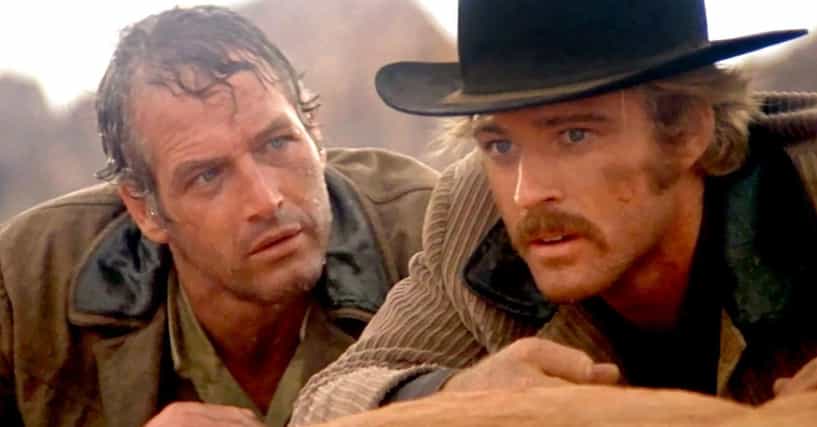
The movie opens with an explosive heist sequence that immediately throws the audience into the action, highlighting the charm, wit, and unshakable partnership between Butch Cassidy and the Sundance Kid. While Butch is portrayed as a charismatic strategist with a knack for outsmarting authority, Sundance is the fast-draw gunman whose loyalty and courage make him the perfect complement. Together, they embody the romanticized idea of outlaws who live by their own rules, yet the film does not shy away from showing the toll such a life takes on their conscience and relationships.
As the story progresses, the duo faces mounting pressure from the relentless pursuit of the Pinkerton agents, who serve as a symbol of law and order trying to crush the last remnants of the Wild West. This chase not only fuels the tension and action but also deepens the film’s exploration of changing times. The West is no longer a place where legends can thrive freely, and Butch and Sundance are forced to confront the reality that their way of life is slipping away. Their struggles resonate with themes of loyalty, freedom, and inevitability, making the film more than just a thrilling Western but also a reflection on the end of an era.

Interwoven with the action are quieter, emotional moments that highlight their bond and reveal the vulnerabilities behind their larger-than-life personas. Whether sharing a joke before a dangerous job or debating their uncertain future, the relationship between the two men becomes the heart of the film. The screenplay balances these moments with sweeping action scenes and breathtaking landscapes that capture both the beauty and the brutality of the frontier.
The climax takes place in South America, where the duo seeks refuge but finds themselves unable to escape their past. Surrounded and outnumbered, they prepare for their last stand, not with despair but with defiance and an unbreakable sense of camaraderie. This finale pays homage to the legendary ending of the original film while offering a new, intense interpretation that ensures the story feels fresh for modern audiences.
“Butch Cassidy and the Sundance Kid” (2026) is both a celebration and a reinvention of the Western genre. It blends fast-paced action, deep character study, and sweeping visuals to reintroduce one of the most iconic partnerships in cinema history. By combining nostalgia with new layers of storytelling, the film captures the spirit of outlaws who became legends, ensuring that their legacy continues to resonate with audiences for generations to come.
